Bulletproof Glass Refurbishment
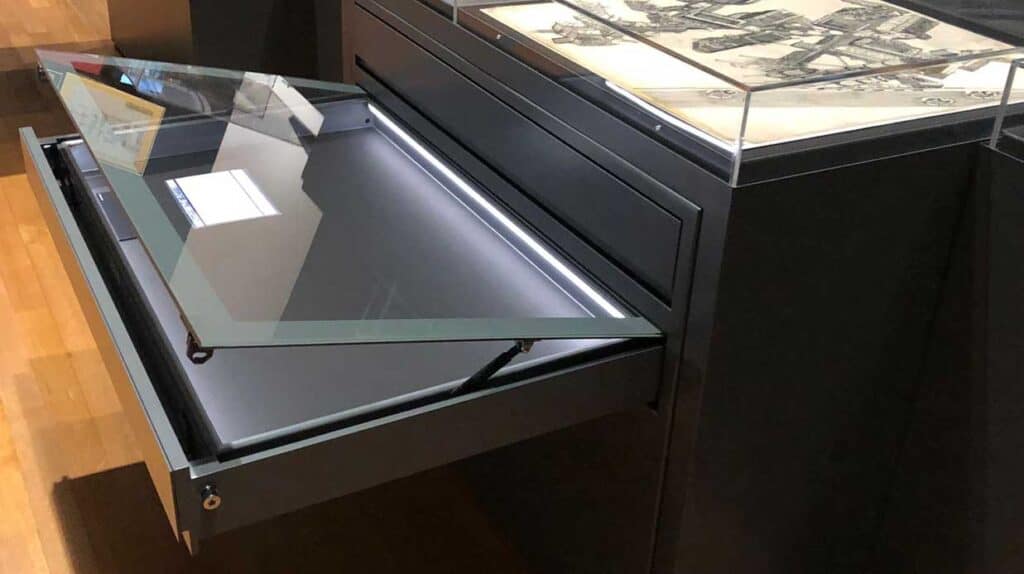
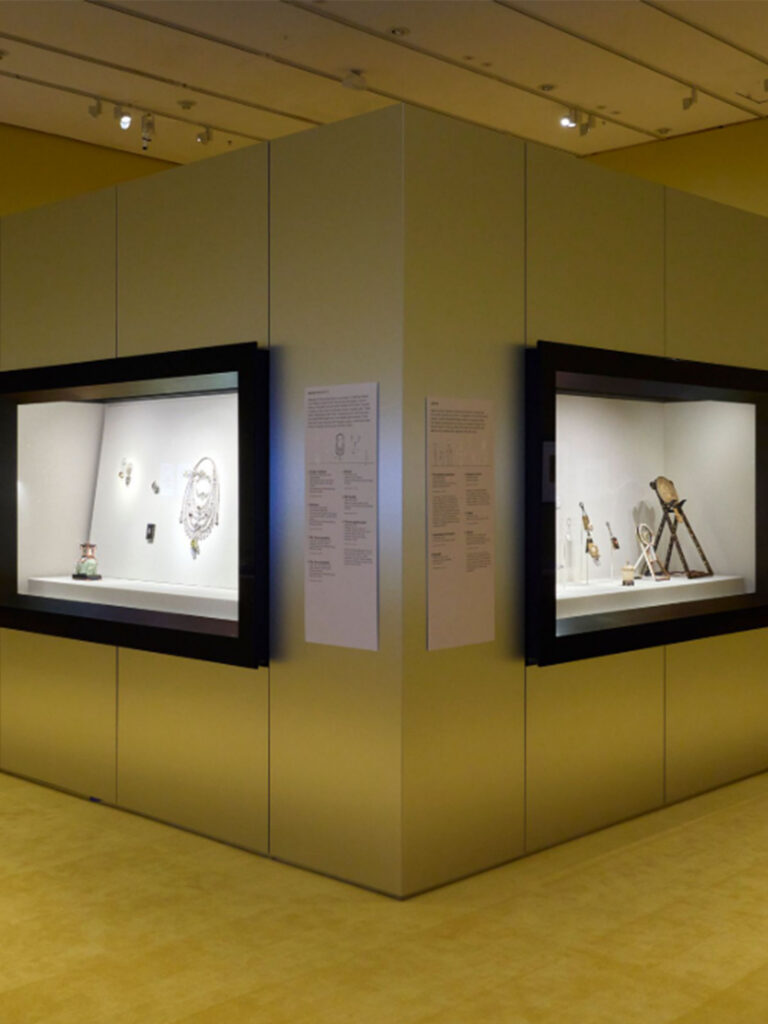
The structural transformation of the showcases prioritised maximum resistance to physical impacts, environmental fluctuations, and unauthorised access. Instead of manufacturing new steel enclosures, EMT integrated new components into the existing showcases to extend their lifespan. Technicians installed high-security bulletproof glass panels directly into the original display housings. The engineering team also designed advanced locking mechanisms integrated into the existing frames, updating security to meet current standards while preserving the layout.
Financial and Environmental Advantages of Asset Refurbishment
While the primary project focused on international lending compliance, the bulletproof glass enhancement allowed the museum to upgrade existing showcases, delivering financial and environmental benefits. By refurbishing rather than discarding the steel carcasses, the gallery significantly reduced procurement costs.
Furthermore, the process directly reduced the temporary exhibition’s environmental footprint. The process also reduced the temporary exhibition’s environmental footprint. Retaining the heavy structural steel casings avoided the energy use and carbon emissions of new metal fabrication. This sustainable approach reduced transportation logistics, raw material consumption, and diverted display materials from landfills.
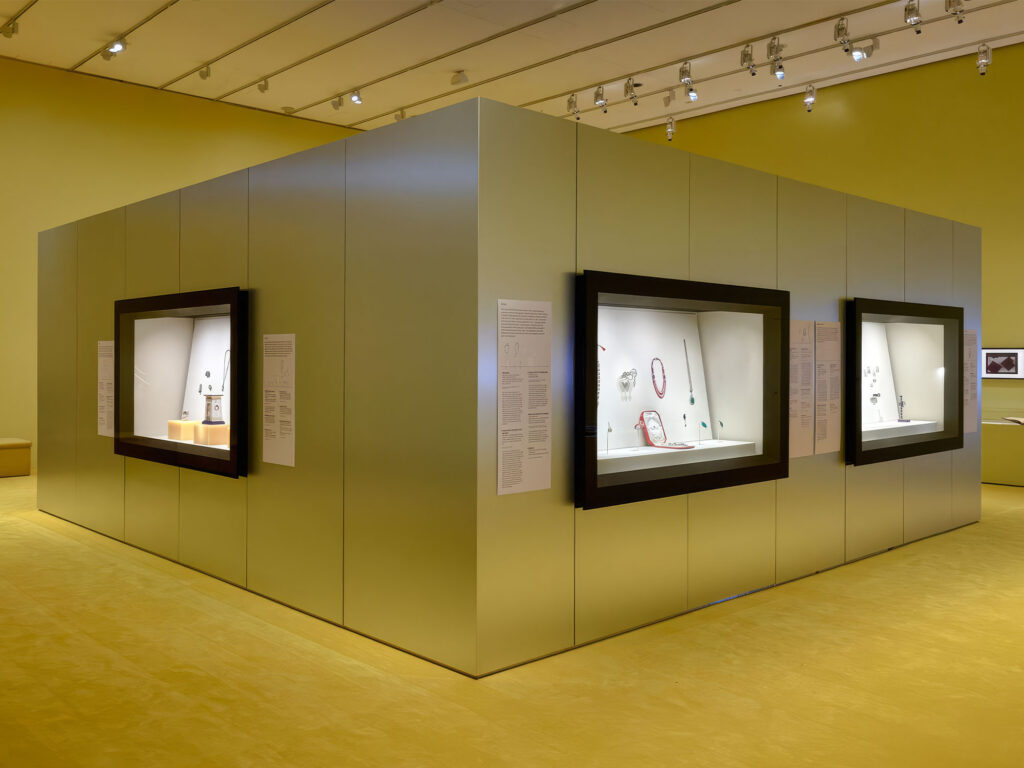
- Installation of laminated glazing across seven existing display units.
- Preservation of the original structural steel showcases.
- Reduction of raw material consumption and project waste.
The successful bulletproof glass refurbishment and security upgrades modernise older displays, enabling them to meet the latest international museum standards. The National Gallery of Victoria integrated these upgrades into existing structures to deliver absolute physical security for the Cartier collection. This engineering approach creates a high-security enclosure while providing material and capital efficiencies as secondary benefits.